In this article
Ten minutes before a difficult conversation, most advice arrives too late or asks for too much. When you are waiting outside a meeting room or staring at a video-call link, you do not have time for a twenty-minute reading session, and trying to memorise a long framework usually collapses the moment the other person speaks.
I built Daily Quotes around short passages and a private on-device journal for moments like that, though I want to be clear about what it is and what it is not. It is a practical Stoic reading and writing habit, not therapy, counselling, or clinical support. Used beforehand, a brief passage and two minutes of honest writing can help you separate what you actually control from the outcome you cannot force.
Scenario: ten minutes before a tense conversation
Suppose you are about to tell a client their deadline will slip, raise a pay or workload issue with a manager, or set a boundary with a family member. Your pulse is up, and your mind is already rehearsing how they might react—defensive, dismissive, or disappointed.
In that window, the most useful thing a Stoic passage does is interrupt the rehearsal of someone else's reaction. You cannot script the other person's tone or guarantee they will agree with you. You can only decide your own tone, the facts you bring, and whether you listen before defending yourself.
I prefer preparing with concrete constraints rather than vague encouragement. Instead of telling yourself to "stay calm", pick one specific behaviour you own: state the issue in two sentences, pause after asking a question, or avoid interrupting when you hear pushback.
Keep a reminder visible without opening the app
When you are nervous, unlocking your phone and hunting through folders adds friction you will probably skip. That is why people look for a Lock Screen reminder or a widget they can glance at while checking the time.
It helps to be accurate about how Daily Quotes handles those two surfaces on iPhone. In version 5.0, the native widget works on the Home Screen in small and medium sizes, and it requires lifetime Pro or an active seven-day trial (free users see a locked widget). If you want a passage directly on the Lock Screen before you even unlock the phone, the reliable route is to export a wallpaper from the app and set it as your Lock Screen background in iOS.
A saved wallpaper is static—it will not rotate automatically each morning the way a Home Screen widget refreshes under iOS scheduling—but before a specific conversation, static is actually an advantage. You pick one passage that fits the morning, save the wallpaper, and see the same line every time you glance at your screen while waiting to go in. If you prefer a Home Screen layout that updates over time, I covered the setup and refresh behaviour in the widget setup guide.
Write down what you control before you walk in
Reading a line from Marcus Aurelius, Seneca, or Epictetus takes ten seconds, which also means it is easy to forget ten seconds later. Writing a short note in the daily reflection box turns passive reading into a concrete check you can hold yourself to.
Open today's passage, check Original & guidance if you want the historical source and suggested daily practice alongside the modern wording, and then write three short lines in your own words. Keep it plain—nobody else will read it, because reflections are stored privately on your device with no account required:
- What is outside my control: Whether the other person accepts my explanation right away, or how they feel in the first five minutes.
- What is inside my control: Explaining the situation clearly without making excuses, and listening to their response without talking over them.
- One observable check: If the conversation turns tense, take one breath before replying and ask a clarifying question instead of defending myself immediately.
Keeping the note to three lines matters. If you write a full essay beforehand, you will spend the meeting trying to remember your script. If you write one clear boundary and one observable check, you can actually recall it mid-conversation. Afterwards, if you want to look back at how the talk went without turning it into self-criticism, the evening reflection guide walks through reviewing a single event calmly.
Afterwards, separate effort from outcome
A difficult conversation can still go poorly even when you handle your side well. People have bad days, competing priorities, and fixed constraints you cannot talk away in twenty minutes. Treating a calm tone as a guarantee of a smooth outcome only sets you up to resent the practice when someone still says no.
When the call ends, I find it more honest to judge my own preparation than the other person's verdict. Did I state the facts accurately? Did I stick to the boundary I wrote down? If the answer is yes, the reflection did its job, regardless of whether the answer you wanted came back today.
Access limits and where to start
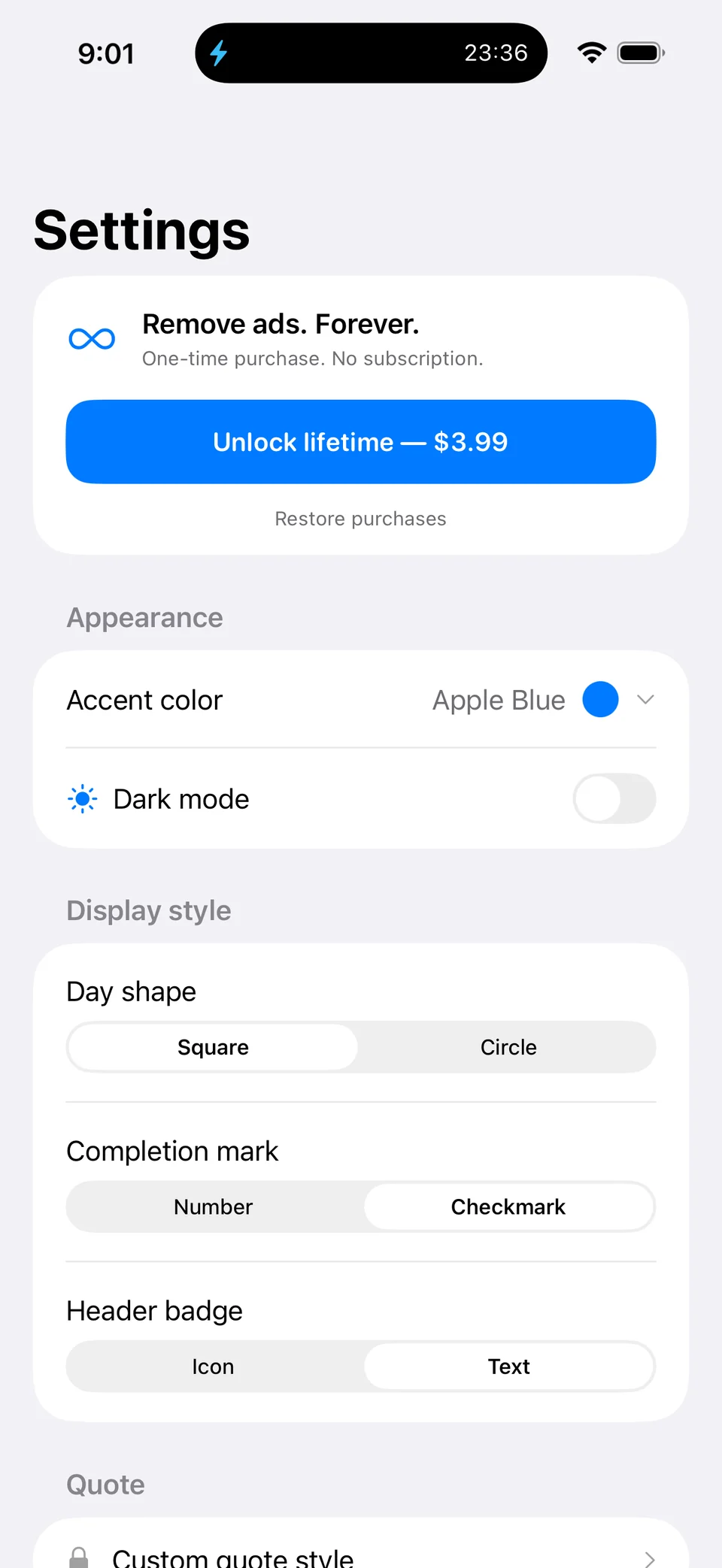
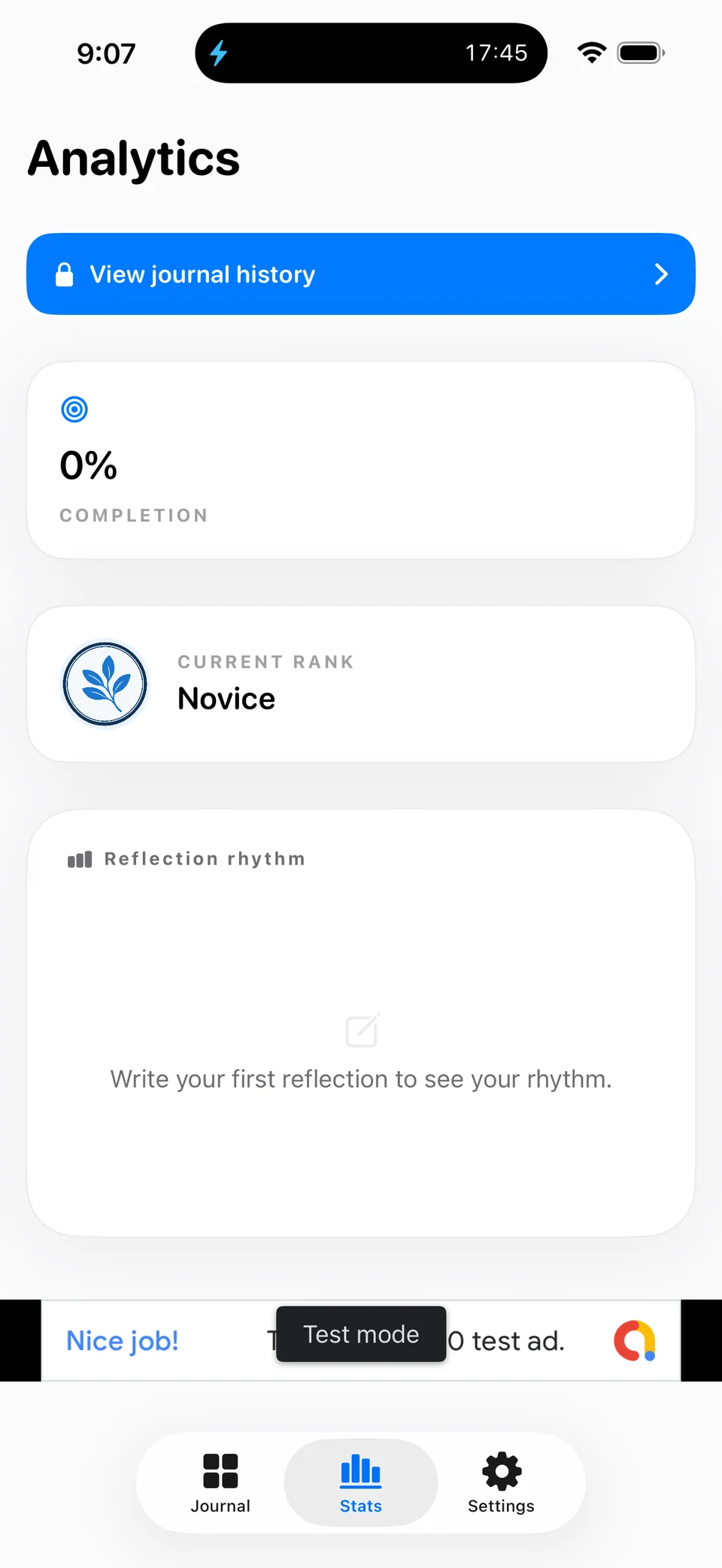
Daily Quotes is free to download with advertising. Daily passages, Original & guidance, written reflections, progress tracking, and daily reminders all remain available in the free version, and selected extra actions can be unlocked via optional rewarded ads. Eligible users can try Pro free for seven days with no subscription, renewal, or automatic charge; a separate one-time lifetime purchase removes ads and unlocks Home Screen widgets, reflection history, full-path access, themes, fonts, colours, and extra sharing backgrounds such as scenic themes, author portraits, and personal photos.
All journal entries stay on your device, so keep a separate copy of anything important before deleting the app or switching phones. If you want to read the full feature list and App Store link, visit the app page.