In this article
A word can feel familiar immediately after reading it and still be difficult to recall later. VocabZ spaces reviews so the next session can include words you have already met.
The released 2.0 listing describes a progression of three days, seven days, fourteen days, and thirty days after successful answers. Those are scheduling rules, not a measurement of when your brain will forget.
Understand the interval progression
Successful answers move a word towards a later review. Difficult words return sooner. The released listing also describes a quiz queue that puts due words before new material and avoids repeating a word in that session.
I would not read a thirty-day interval as proof of permanent mastery. A word may still need practice in a sentence, another context, or a conversation.
Make a recall attempt
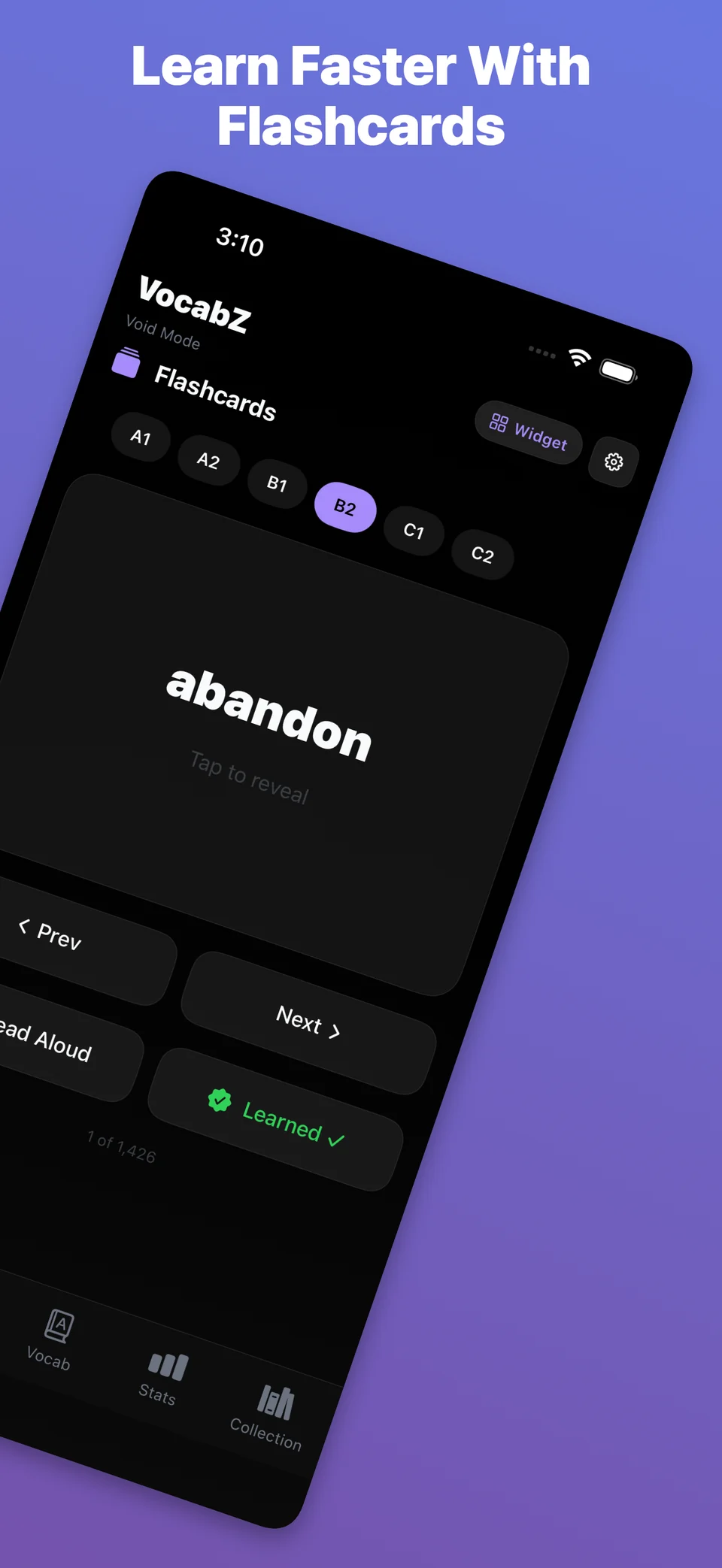
Look at the word before revealing the definition. Say what it means, then check. Write or speak an original sentence when you can; recognising one multiple-choice answer is not the same task as producing the word yourself.
If an answer is uncertain, treat that as information for your next review. This guide does not promise an exact reset rule for every Flashcards and Quiz action.
Keep the routine manageable
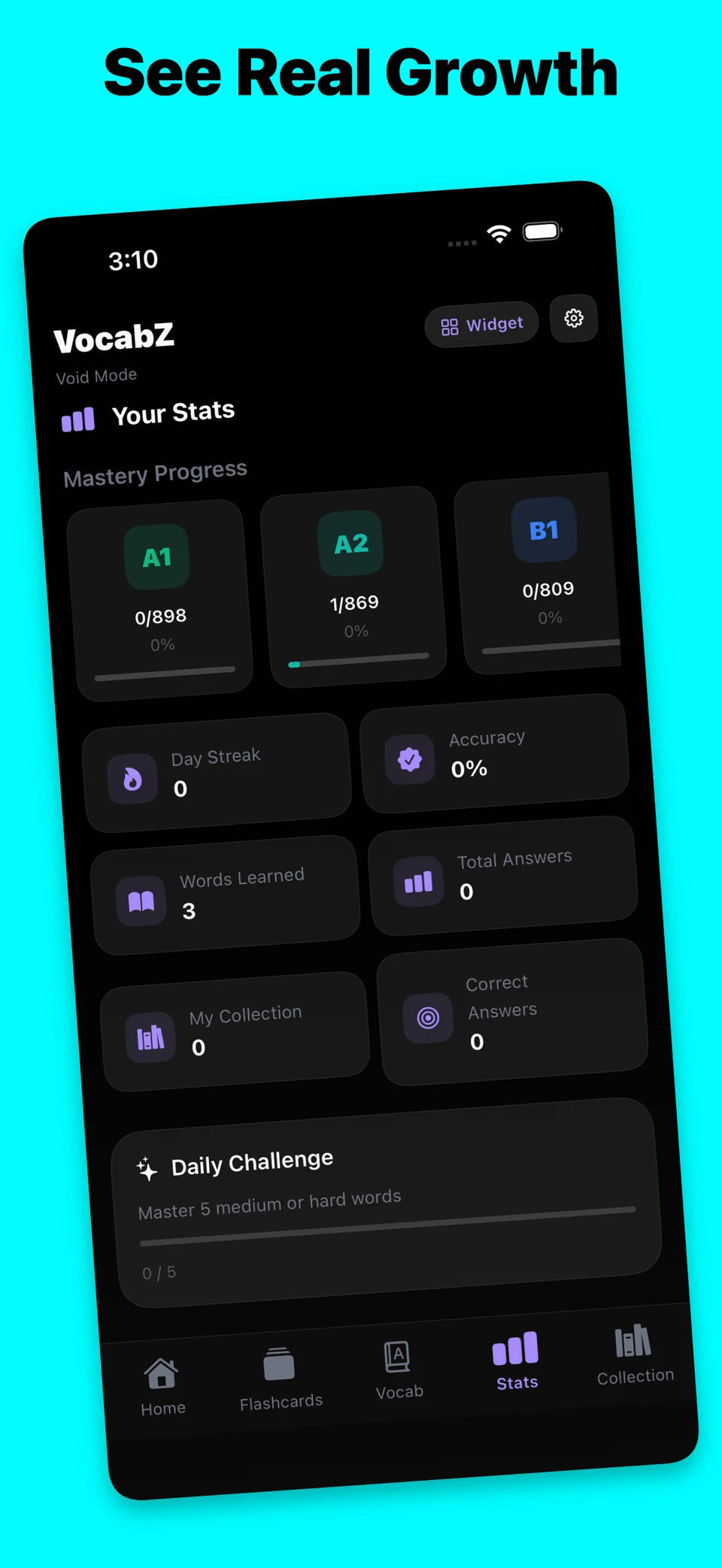
Return to a few due words before collecting a large new list. If the queue grows, reduce new material for a while rather than assuming a longer daily session is the only answer.
VocabZ is free to start with ads and offers lifetime Pro. Check the installed app’s access prompt for a particular level or action; local 3.0 development screens are not evidence of the released 2.0 interface.
Try the ten-minute routine for an ordinary review session.